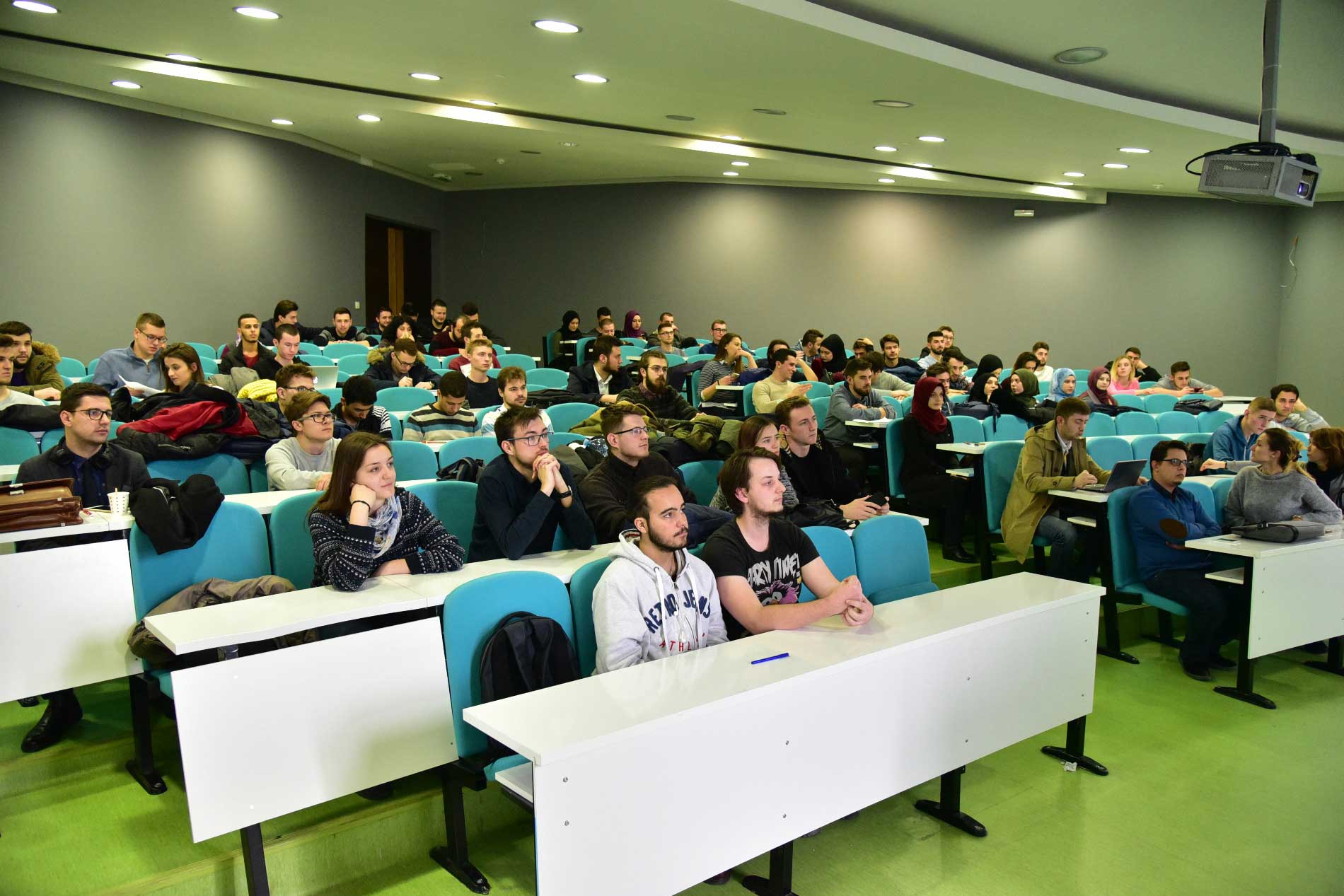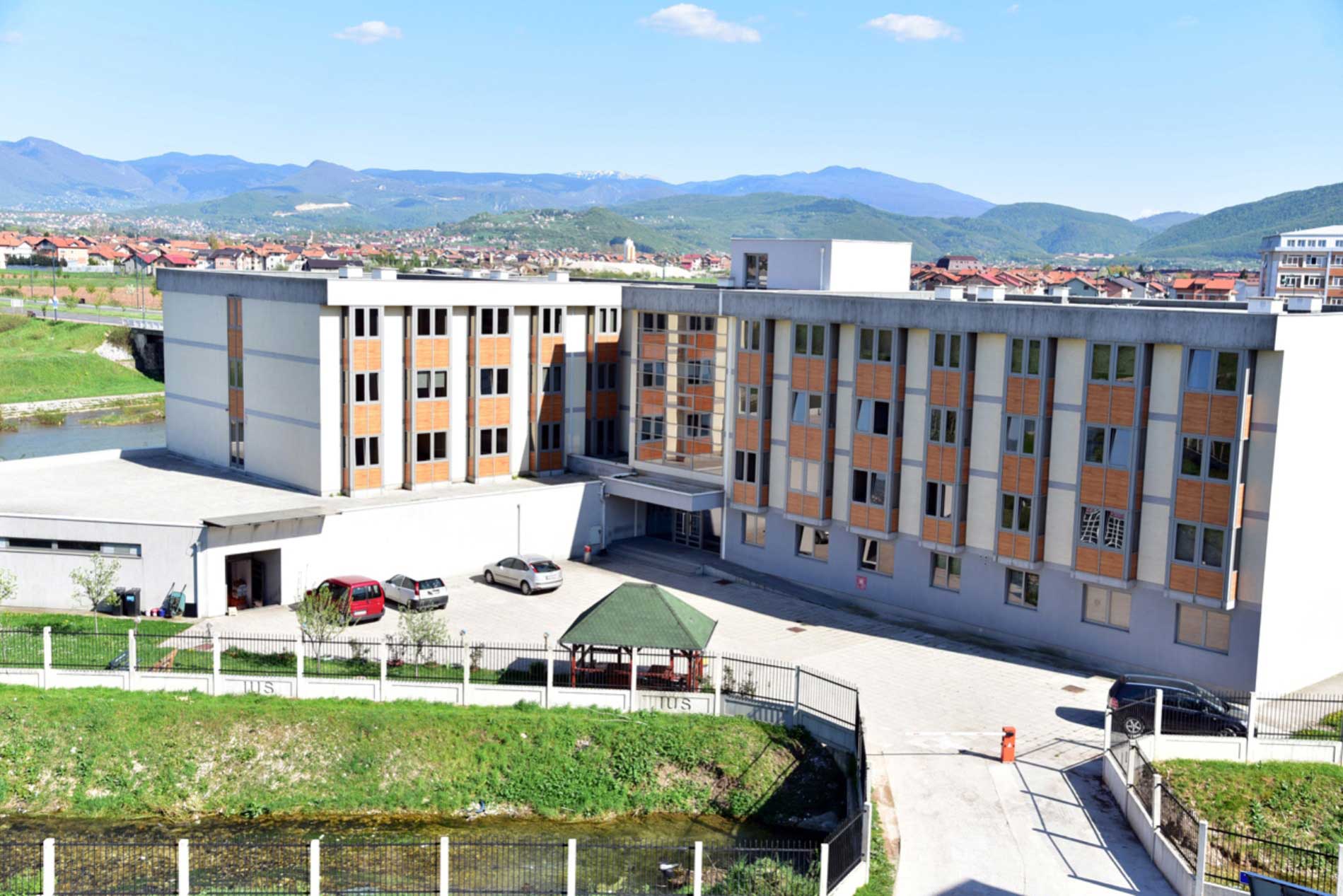






Students complete the first 3 years in English at IUS (Sarajevo), focusing on preclinical sciences and foundational medical knowledge. The final 3 years are conducted in Turkish at UHS (Istanbul), where students undertake advanced clinical training across affiliated university hospitals.
The curriculum is based on an vertical education model, in which courses are delivered as isolated subjects with a practical based clinical approach. Each course interrelates topics across various systems to reflect the complexity of the human body and disease processes.
Years I, II, and III constitute the preclinical phase of the program.
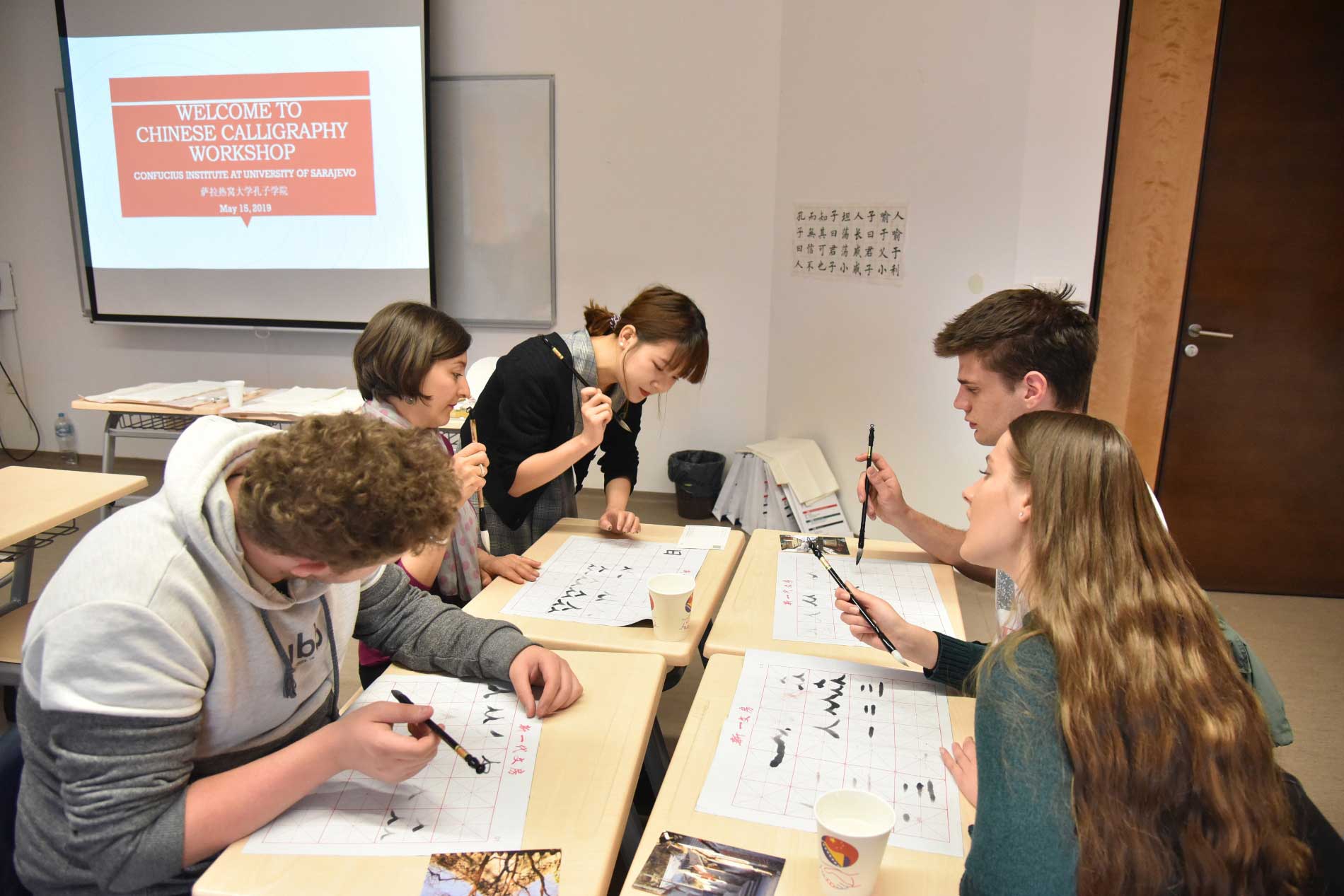
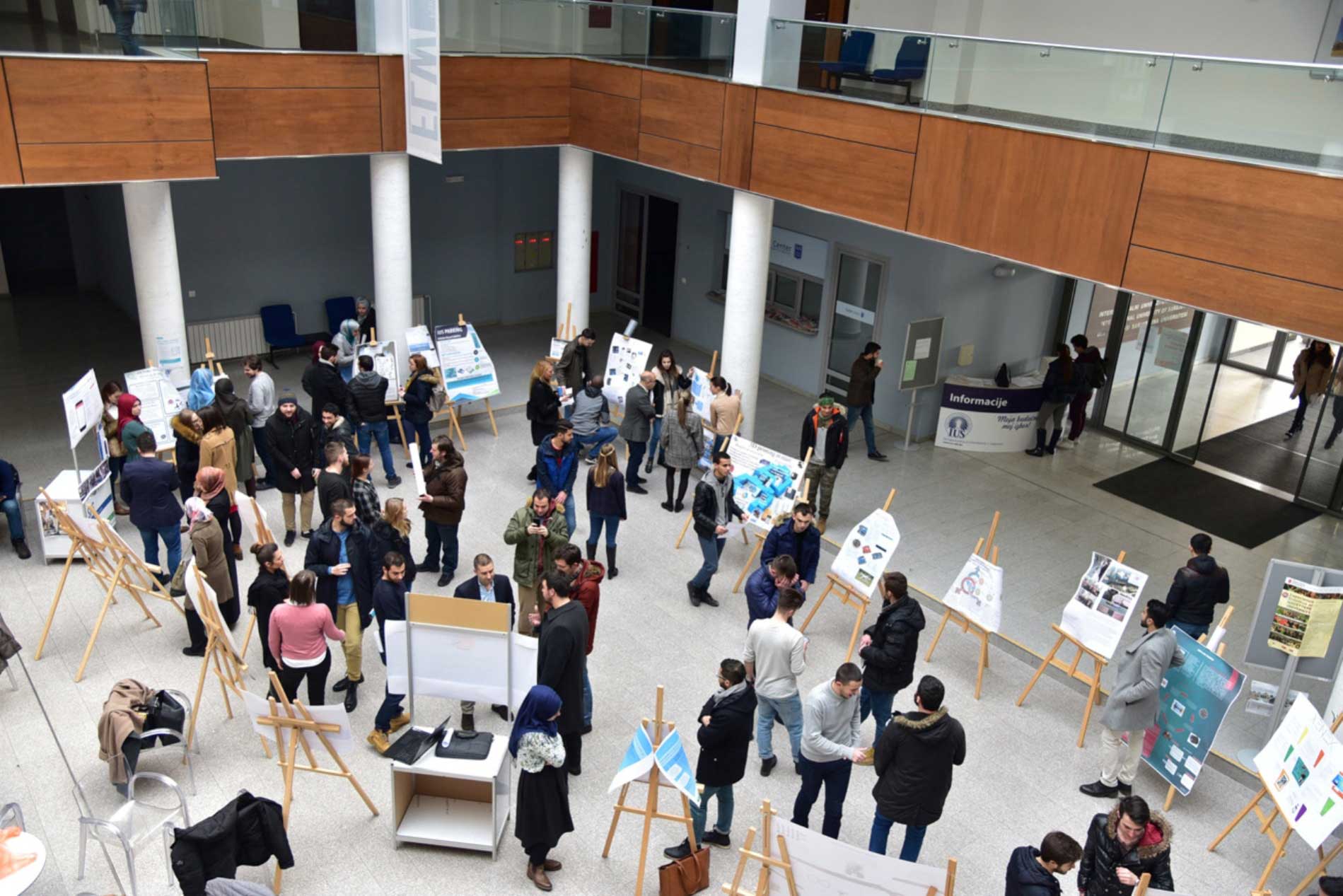
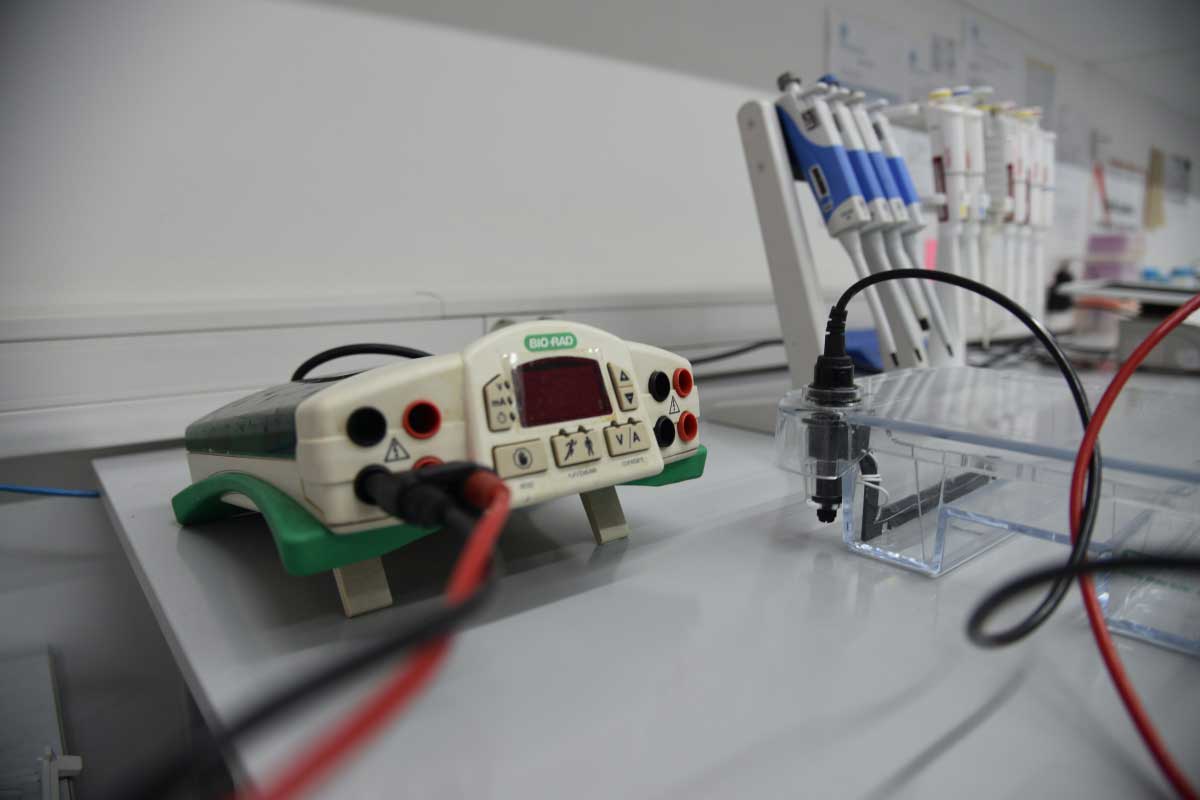
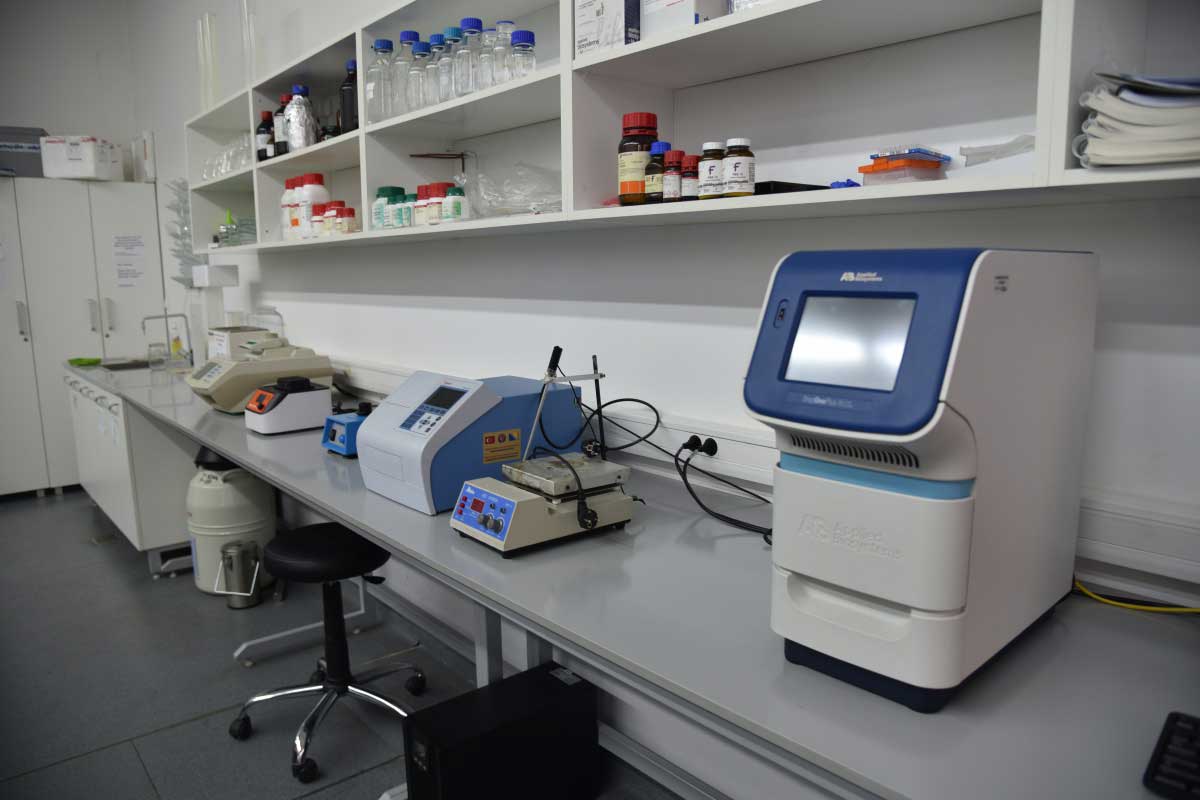
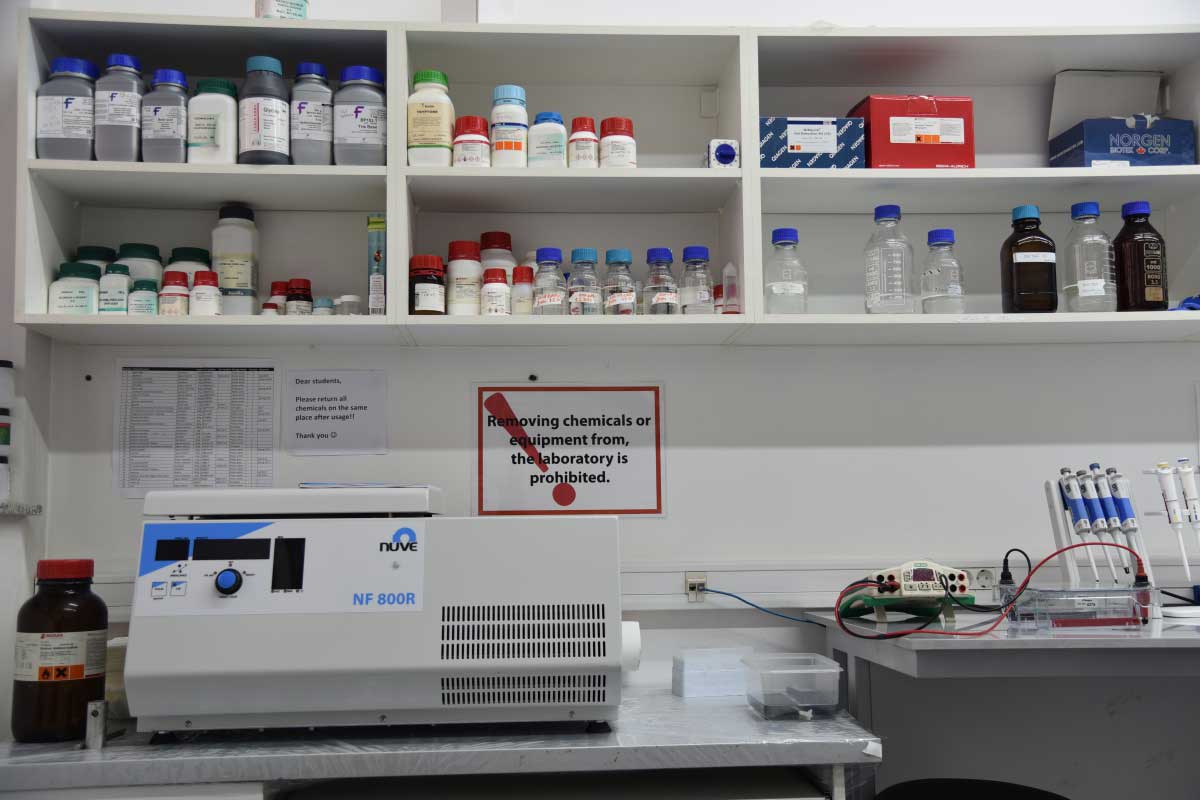
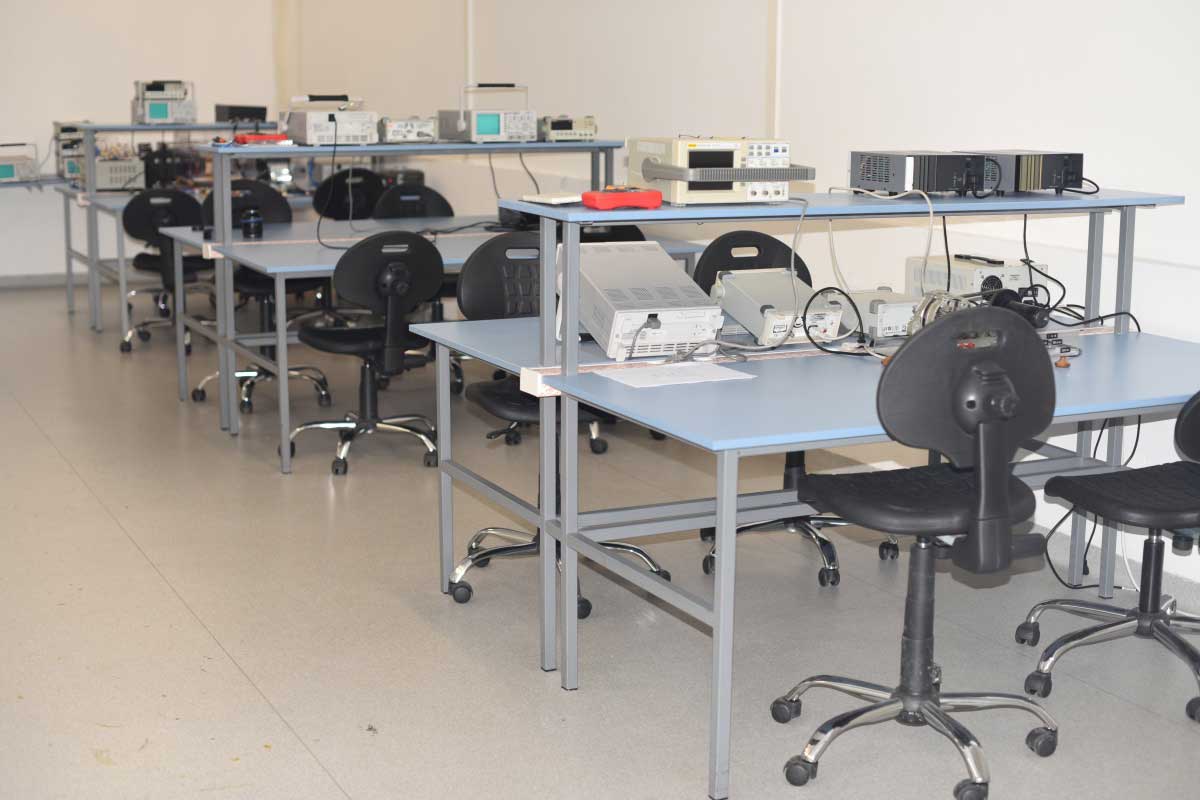
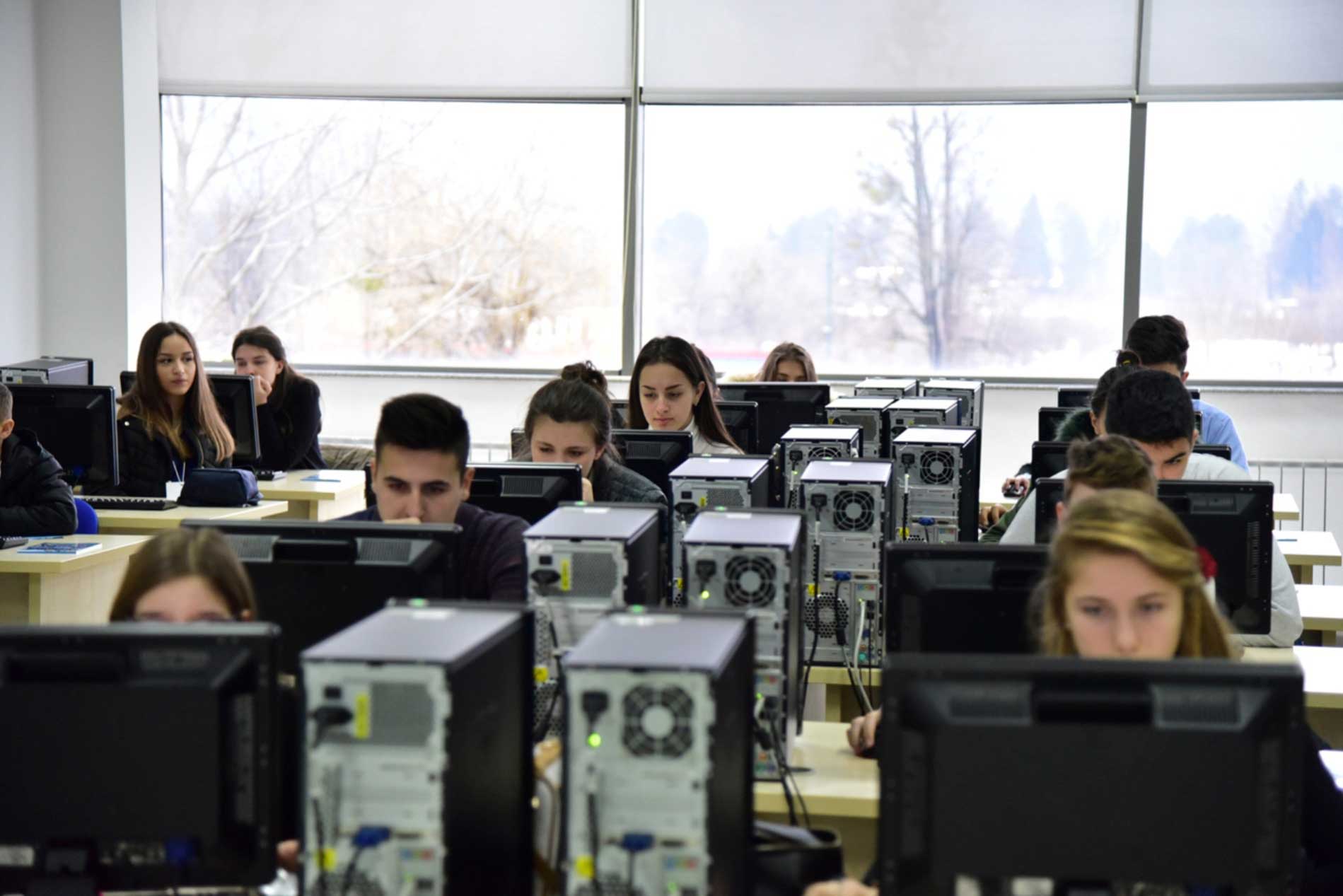
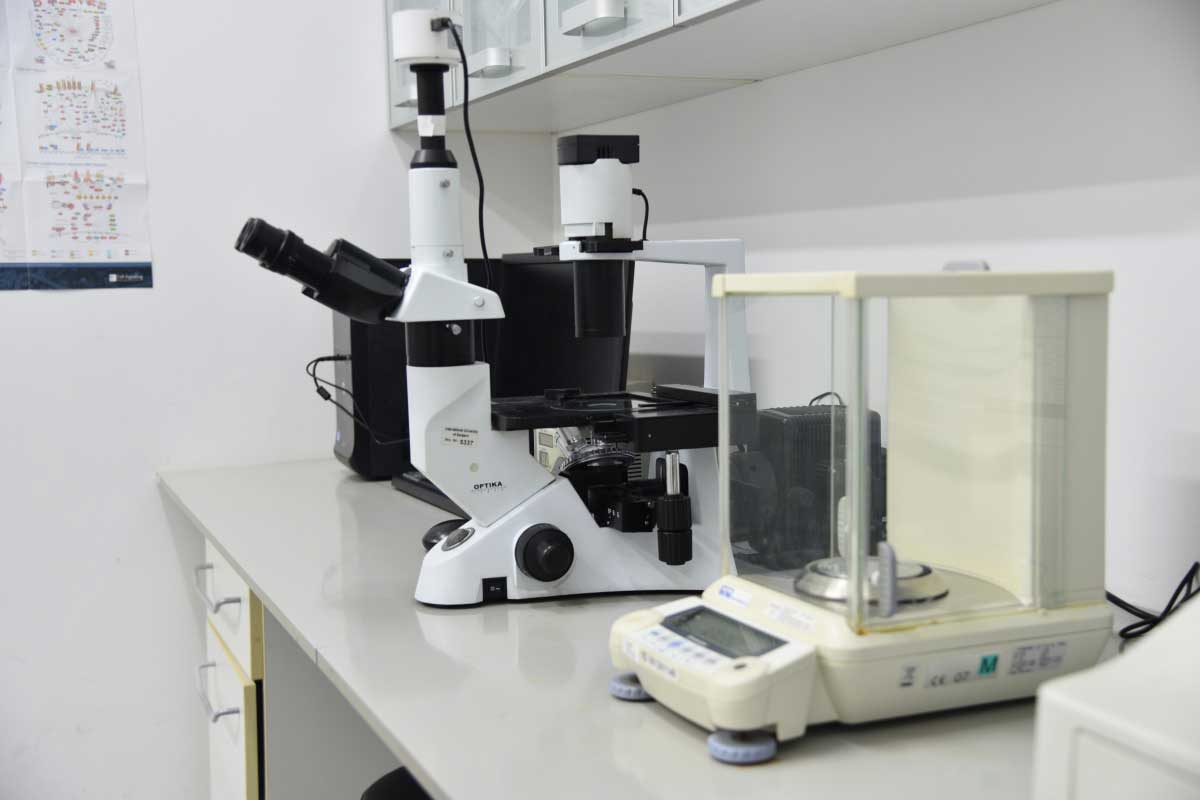
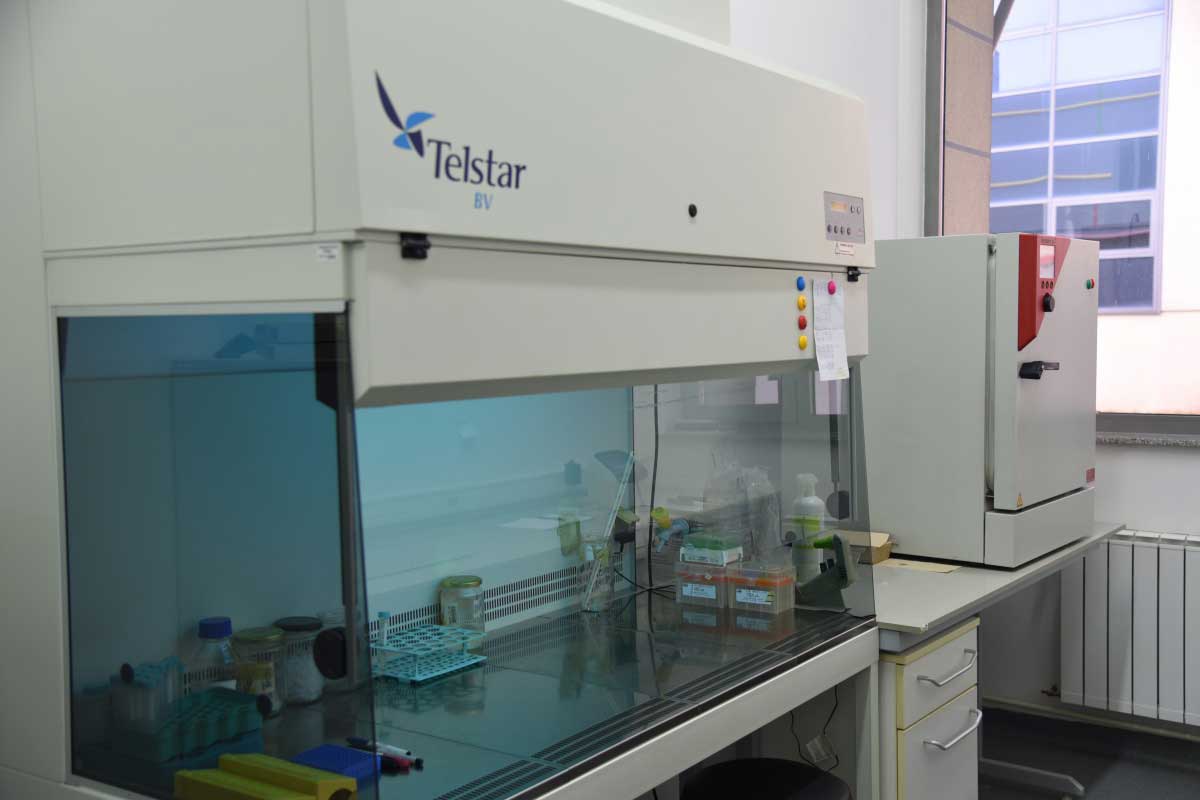
Approximately 35% of the instruction during Years I–III consists of practical components, including laboratory work, clinical skills training, problem-based learning (PBL), student group activities, and workshops. In addition, students are required to select one elective course per semester during Years I–III from a range of available options.
Years IV and V represent the clinical training phase, comprising a series of structured internships (clerkships). These include not only theoretical instruction but also bedside teaching, clinical ward rounds, patient preparation and follow-up, outpatient clinic visits, surgical observations, seminars, article discussions, and interdisciplinary case meetings. During this phase, students are expected to apply the core knowledge and skills acquired during the preclinical years. Practical education intensifies, focusing on patient history taking, performing comprehensive physical examinations, ordering and interpreting diagnostic tests, formulating treatment plans, and monitoring outcomes. In Year IV and Year V, there are five elective clinical courses in total, chosen by the student from a designated pool.
Year VI constitutes the internship (internship year). During this final stage, students actively participate in all clinical activities under the direct supervision of academic staff and assume increased responsibility within the clinical setting. It serves as the final preparatory phase for the practice of medicine, allowing students to consolidate and apply the competencies acquired over the previous five years in a supervised, hands-on environment. One of the internships in Year VI is also selected by the student from among approved elective internships.
Candidates who are citizens of foreign countries can submit preliminary application for admission before the official call is published by the University, so that they can obtain necessary residency permits and satisfy language requirements prior to the start of lectures at the University.



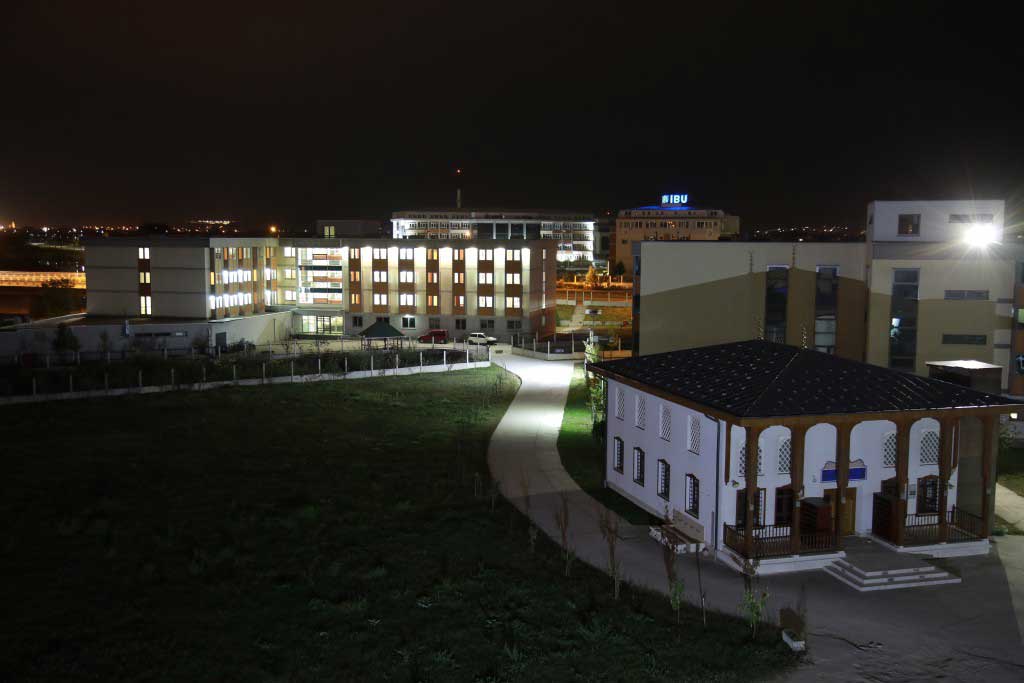



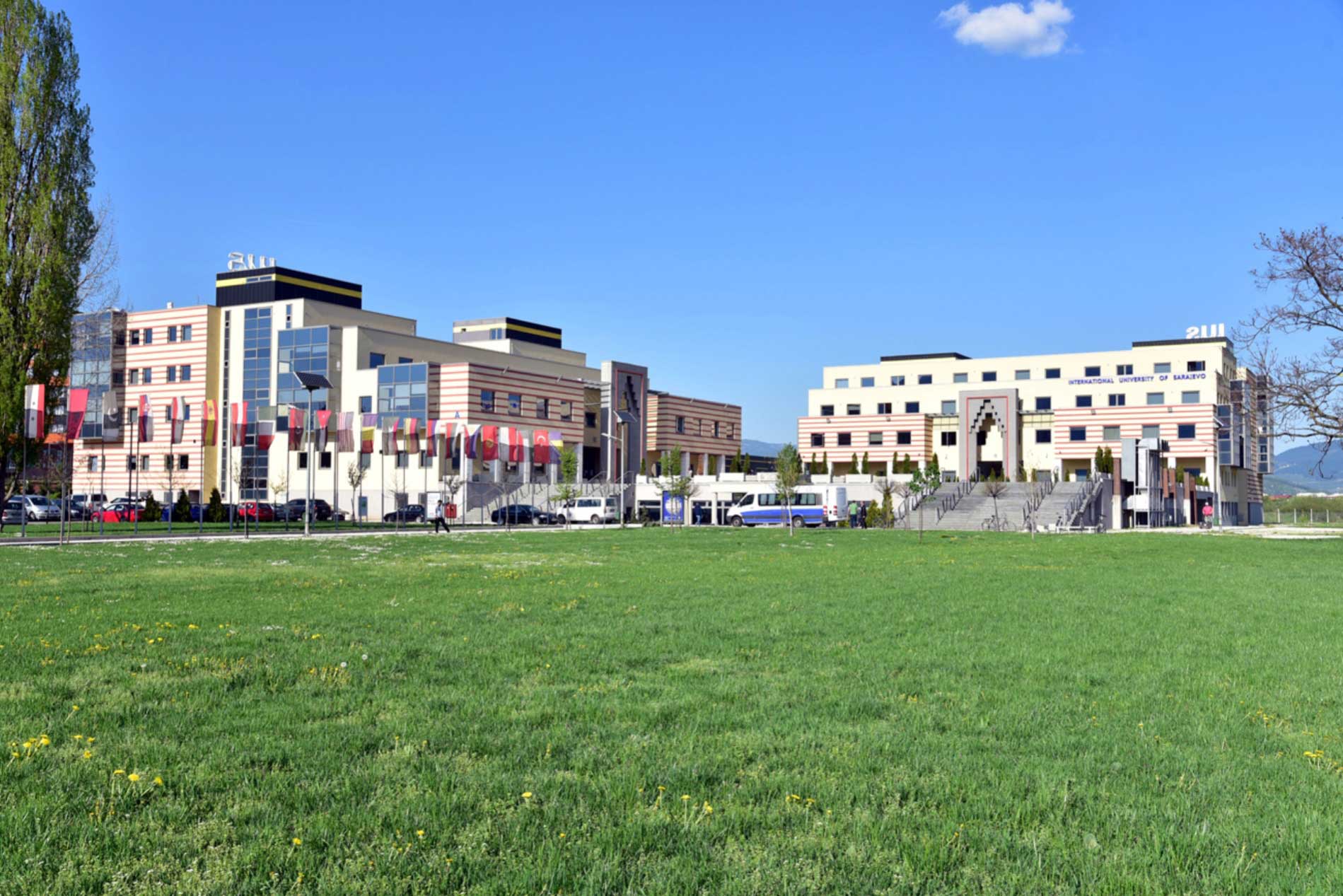
International University of Sarajevo - The best private university in Bosnia and Herzegovina